Introduction
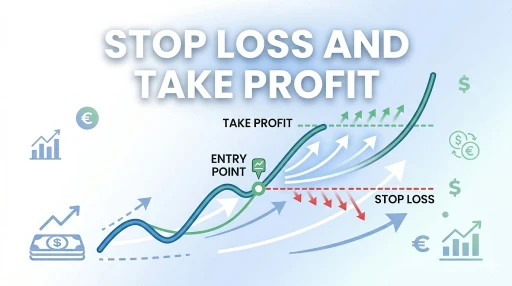
In Forex trading, managing risk is more important than making profit. Two powerful tools that help traders control risk are Stop Loss and Take Profit.
In this guide, you will learn what they are, how they work, and how to use them correctly.
What is Stop Loss
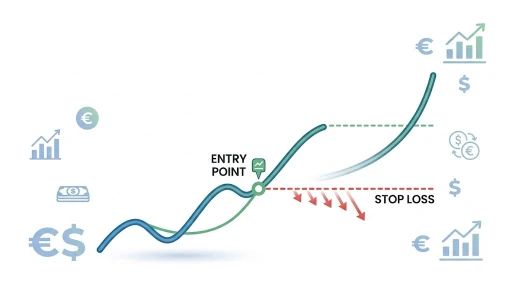
Stop Loss (SL) is a level where your trade automatically closes to limit your loss.
In simple words:
It protects your account from big losses.
Example of Stop Loss
Let’s say:
- You buy EUR/USD at 1.1000
- You set Stop Loss at 1.0950
If price falls to 1.0950, your trade will close automatically.
What is Take Profit
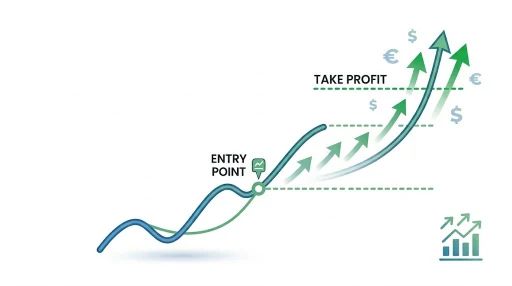
Take Profit (TP) is a level where your trade automatically closes to secure your profit.
In simple words:
It locks your profit.
Example of Take Profit
Let’s say:
- You buy EUR/USD at 1.1000
- You set Take Profit at 1.1050
If price reaches 1.1050, your trade closes with profit.
Why Stop Loss and Take Profit are Important
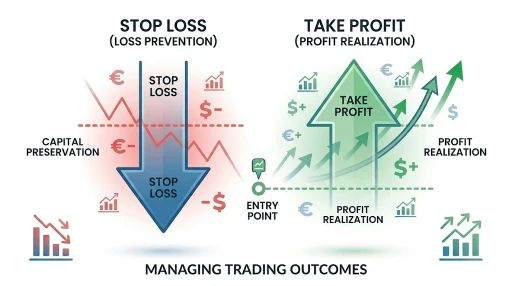
1. Risk Management
Stop Loss protects your capital.
2. Profit Booking
Take Profit helps you secure gains without emotions.
3. Emotion Control
You don’t need to watch charts all the time.
Stop Loss vs Take Profit
- Stop Loss → Limits loss
- Take Profit → Secures profit
Both work automatically.
Common Mistakes Beginners Make
Not using Stop Loss
Setting very large Stop Loss
Changing Stop Loss frequently
Closing trades early without plan
Best Practice for Beginners
Always use Stop Loss
Maintain Risk/Reward Ratio (1:2 or better)
Plan your trade before entering
Pro Tip
Never trade without Stop Loss
Use proper lot size with SL
Combine SL + TP with strategy
What You Should Learn Next
What is Risk Management in Forex
Internal Linking
Start here: What is Forex Trading
Learn pip: What is Pip in Forex
Understand lot size: What is Lot Size in Forex
Conclusion
Stop Loss and Take Profit are essential tools for every trader.
If you use them correctly, you can control risk and trade like a professional.